Wedding dress codes are having a refresh. From bold black tie to garden chic and colour-led palettes, here's how couples are giving guests real direction - and why it matters.
The past few years have seen a clear shift in wedding dress codes. What was once a simple “black tie” or “formal” has evolved into something far more expressive: dress themes. Gone are the days of a blanket dress code leaving guests quietly guessing – should they dress for the venue, the weather, or simply keep things traditional? In their place, couples are embracing direction that’s specific, creative, and entirely their own.
And in short? We love it.
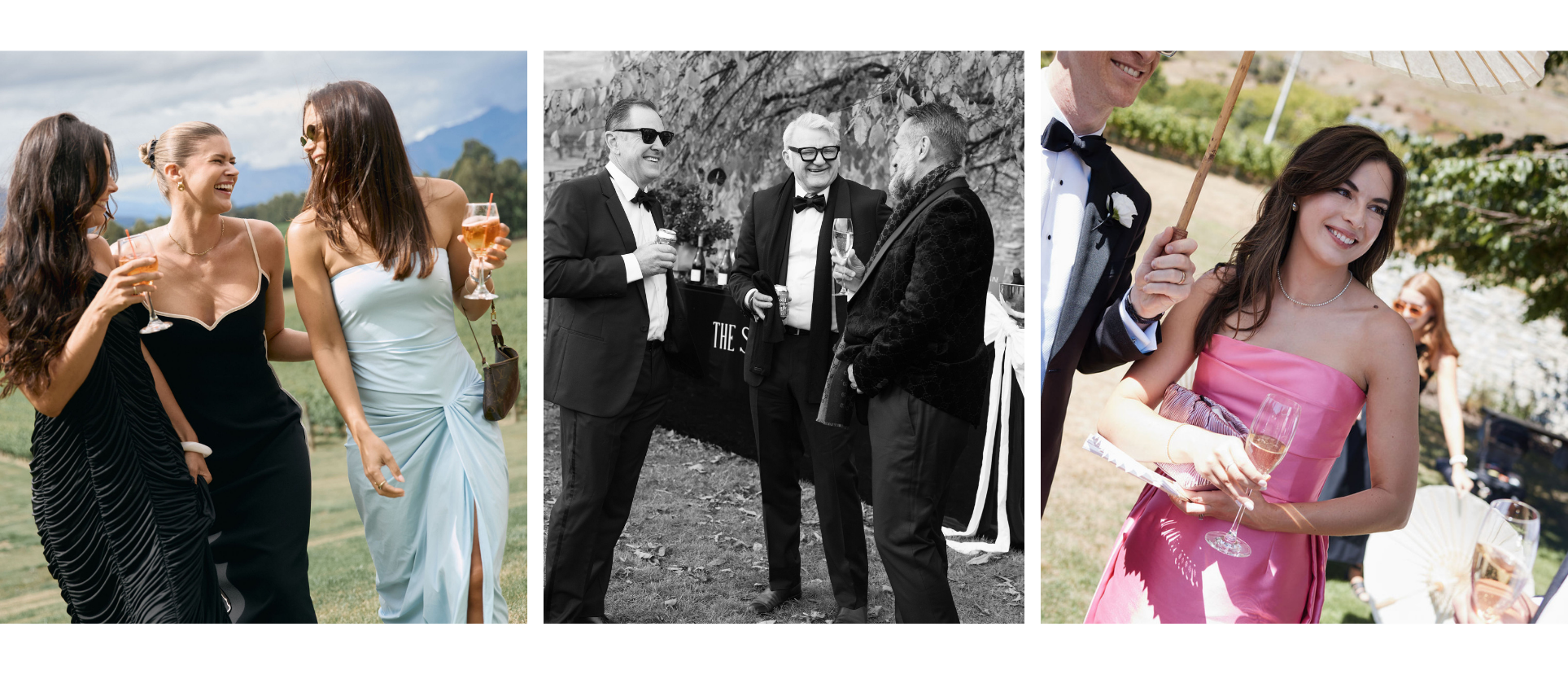
The Rise of Dress Code Themes
Most of us have been there – staring into the wardrobe, or texting the group chat, trying to decide whether an outfit is appropriate. Traditional dress codes, while helpful in theory, often leave a lot open to interpretation. Now, couples are taking the guesswork out of it. Rather than a single line on an invitation, we’re seeing:
- Curated moodboards
- Dedicated sections on wedding websites
- Thoughtful styling notes and palette guidance
As a host, it’s one of the easiest ways to elevate your day – you already know your venue and aesthetic, so why not bring guests into the vision? Clear direction removes the uncertainty, and gives permission to have a little fun with colour, texture, and silhouette.
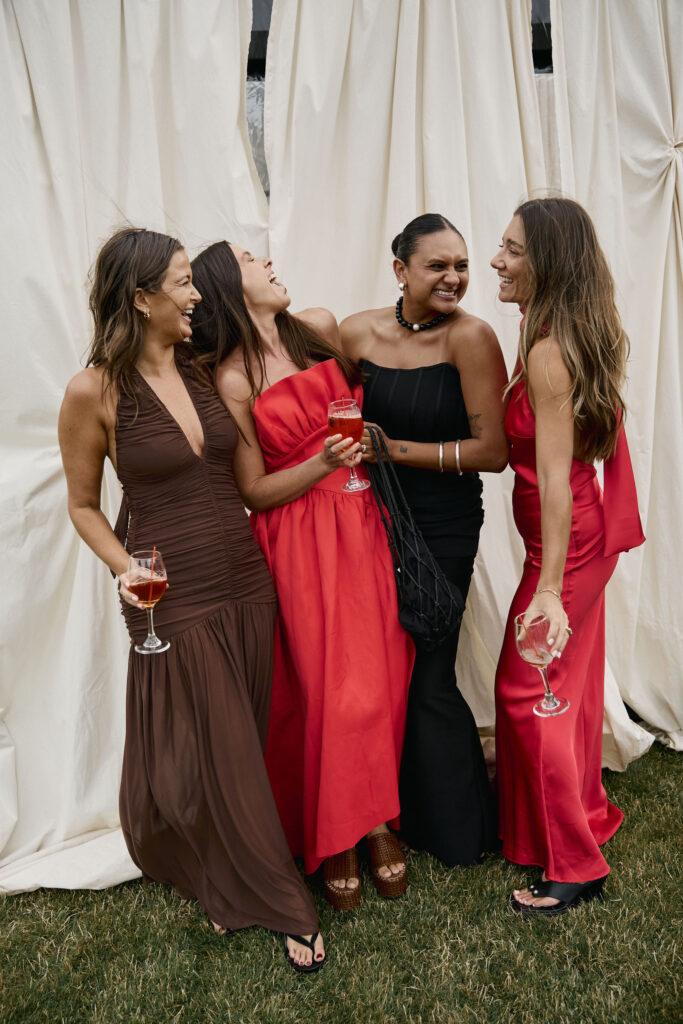
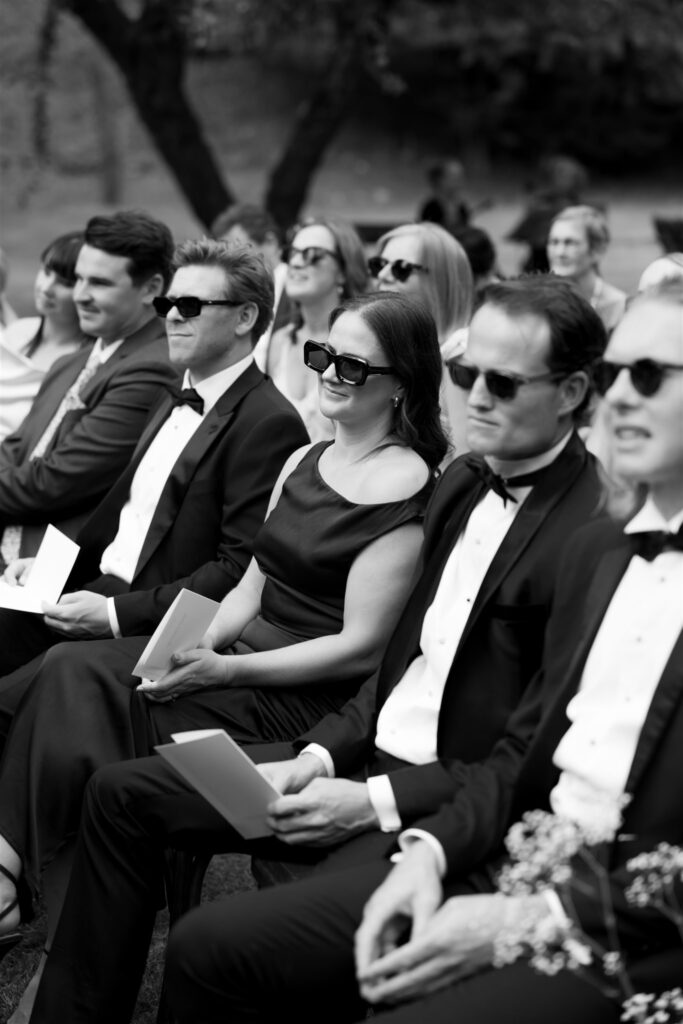
Themes We’re Loving Right Now
The modern wedding guest dress code is less about rules and more about vibe. Some of the most popular (and wearable) themes we’re seeing include:
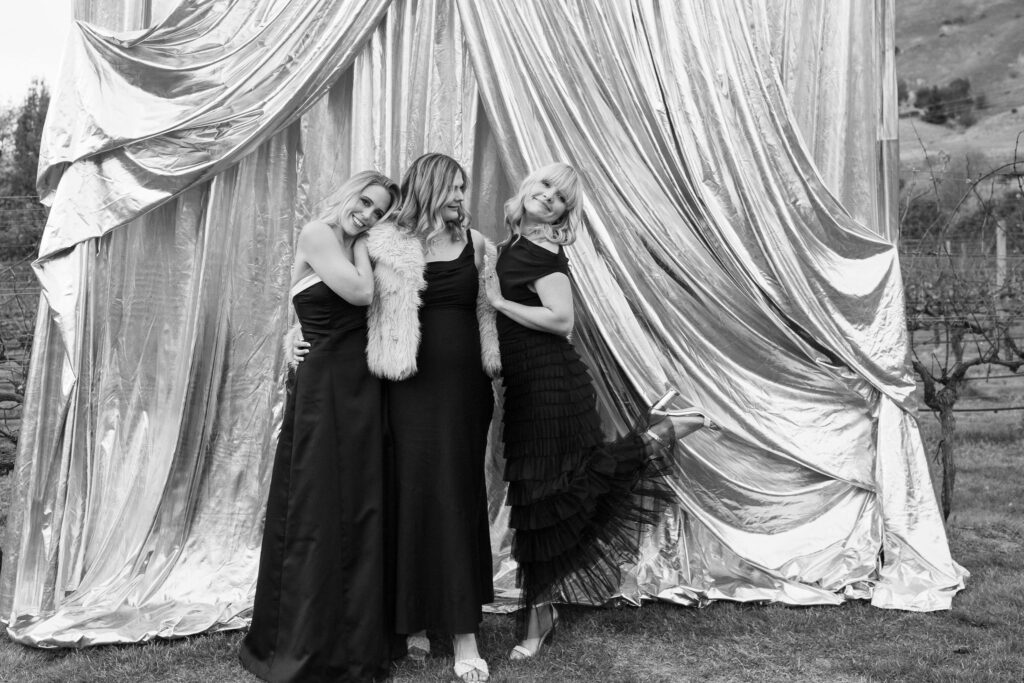
Bold Black Tie
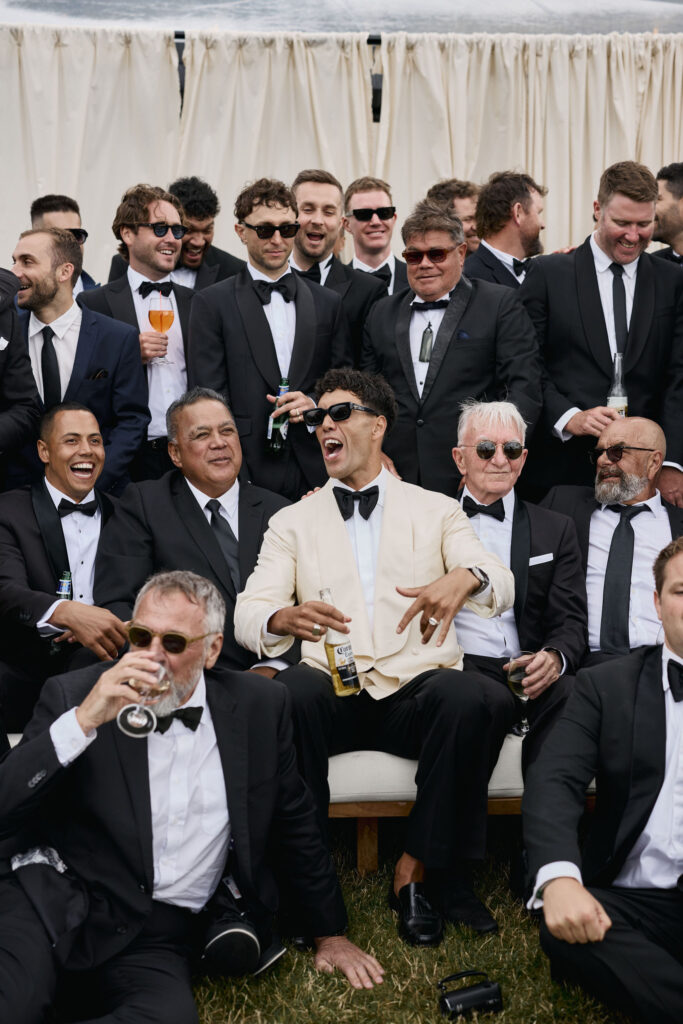
A contemporary take on a classic. Traditional black tie, elevated with rich texture, statement silhouettes, and subtle departures from the expected – velvet jackets, sculptural gowns, and tonal dressing all sit beautifully here.
Garden Party / Garden Chic
Perfect for outdoor settings, vineyards, or summer weddings. Lighter fabrics, softer tailoring, florals, and playful prints – polished and intentional, without feeling overdone.
Colour Direction / Preferred Palettes
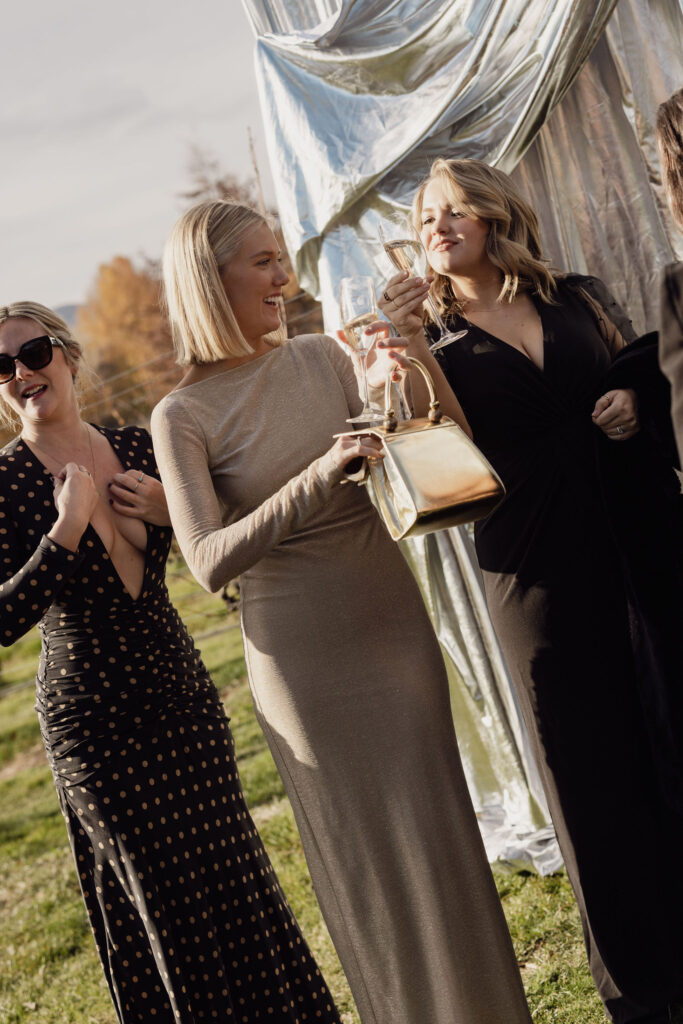
One of the most popular approaches right now. Whether it’s “something blue,” earth tones, or an all-black black tie, a colour framework gives guests an easy way to create a cohesive, elevated look across the whole wedding.
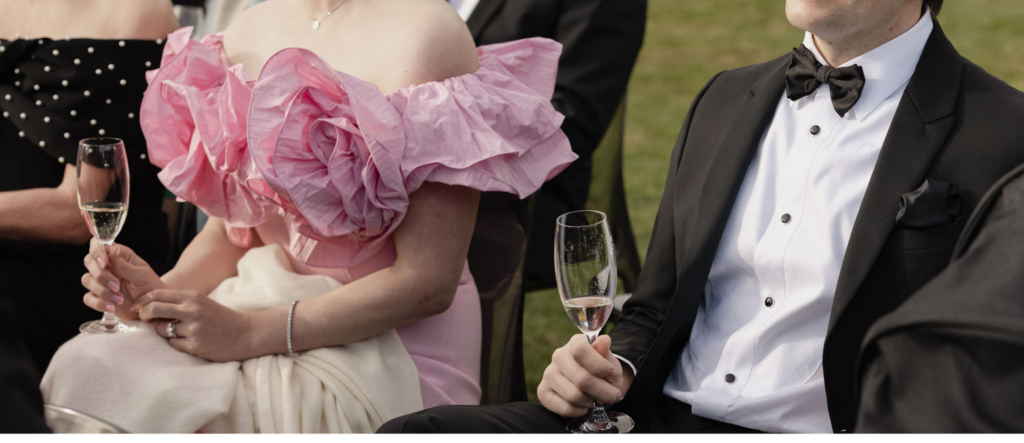
Decoding the Classic Dress Code – Modern Edition
While themes are on the rise, traditional dress codes still play a role. They’re just being interpreted a little more loosely.
Cocktail
Cocktail attire strikes a balance between polished and playful. For women, this might mean a shorter hemline, a chic midi, or a tailored set. For men, a suit is standard, but there’s room to experiment with colour, texture, or accessories.
The goal? Elevated, but not overly formal.
Formal / Black Tie Optional
As the name suggests, this sits just below black tie. A tuxedo isn’t required but it’s always welcome.
Men can opt for a dark, well-tailored suit with a crisp shirt and tie. Women have flexibility: a full-length gown, a refined cocktail dress, or a tailored pantsuit all work, as long as the overall look feels sophisticated.
A helpful tip: let the venue guide you. A luxury setting may naturally call for a more elevated interpretation.
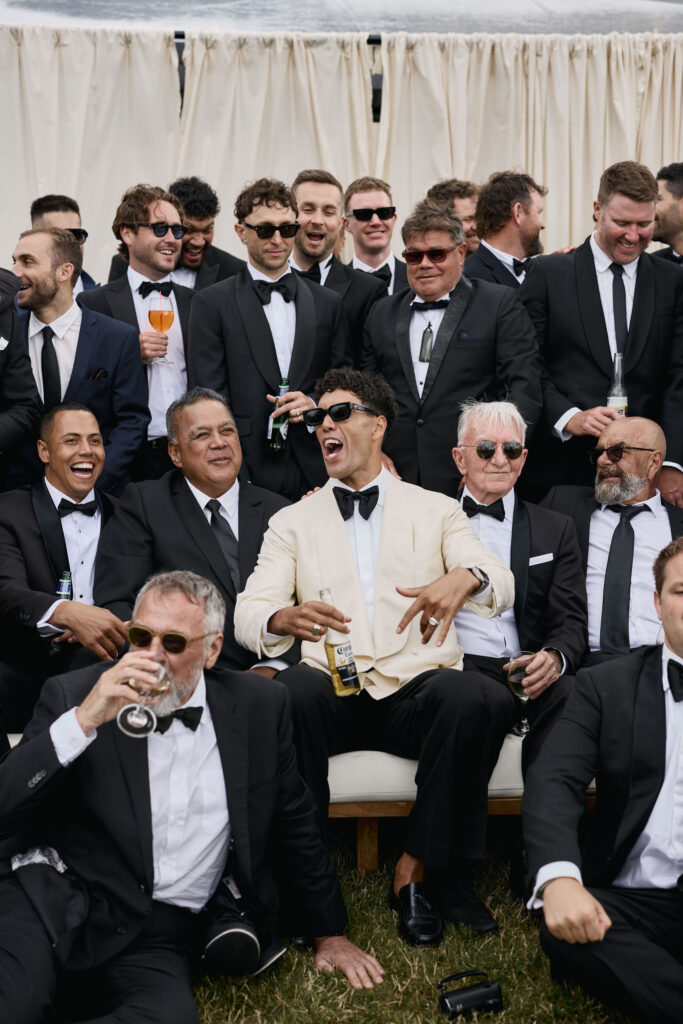
Black Tie
Black tie doesn’t need to feel intimidating, it’s simply about elegance and refinement.
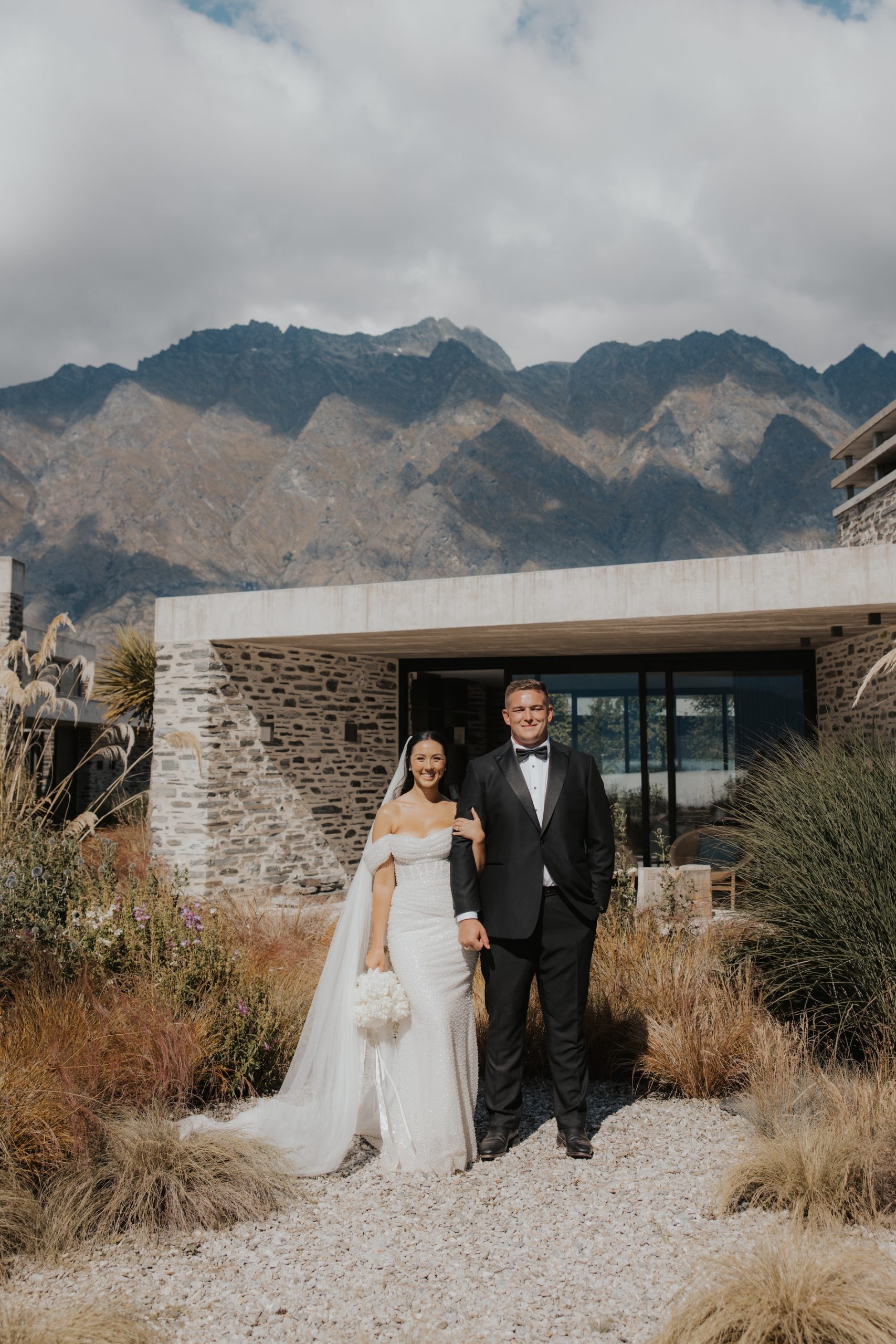
For men, this traditionally means a tuxedo, bow tie, and formal shoes. There’s room for personality (a velvet jacket, for example), but the look should remain cohesive and polished.
For women, this is your moment for a full-length gown or an equally formal alternative like a structured suit. Silhouette and fabric matter here, think timeless rather than trendy.
Why It Matters
At its core, a well-considered dress code does more than just tell people what to wear, it becomes part of the overall design of your wedding.
It shapes the atmosphere. It enhances your styling. And, it brings a sense of cohesion that you simply can’t achieve otherwise.
Whether you lean toward a classic black tie, a relaxed garden party, or a fully curated theme, the key is clarity. When guests understand the brief, they can show up confidently and that’s when everyone looks (and feels) their best.
Photography by: @loversbyrubyjayne, @jonnyscottphoto & @haute.weddings